This captivating journey blends the colonial charm, Himalayan landscapes, and spiritual heritage of Eastern India with the serene traditions of the Kingdom of Bhutan. We begin in Kolkata, a vibrant cultural capital, before heading into the misty hills of Darjeeling, renowned for its tea gardens, heritage toy train, and breathtaking mountain views. Onward to the tranquil town of Kalimpong, followed by the picturesque capital of Sikkim, Gangtok, where monasteries, mountain vistas, and local culture create a perfect Himalayan retreat. Crossing into Bhutan, the journey unfolds through the culturally rich cities of Thimphu and Punakha, showcasing majestic dzongs, ancient monasteries, and pristine valleys. The tour concludes in Paro, home to iconic landscapes and sacred landmarks, offering a perfect blend of spirituality, nature, and tradition. This thoughtfully curated itinerary is ideal for travelers seeking scenic beauty, cultural immersion, and a seamless Himalayan experience across India and Bhutan.
Highlights of the tour include:
- Kolkata: India’s cultural capital steeped in colonial heritage, alive with vibrant street life, and shaped by rich artistic traditions. Explore grand architecture, historic landmarks, and an evocative culinary scene together reveal the soul of the city.
- Darjeeling: Famed for its emerald tea gardens and colonial charm. Witness a magical sunrise over Mt. Kanchenjunga from Tiger Hill. Explore monasteries, heritage sites, and the iconic Himalayan toy train.
- Gangtok: The vibrant capital of Sikkim, blending tradition with contemporary life. Visit revered monasteries and enjoy panoramic Himalayan views. Lively markets add a colourful cultural experience.
- Kalimpong: A quiet hill town with colonial-era influences and scenic valleys. Famous for flower nurseries and gentle mountain walks. Offers a relaxed pace amid nature and heritage.
- Phuentsholing: The charming border town and gateway to Bhutan. Experience your first taste of Bhutanese architecture and culture. A smooth transition into the Land of the Thunder Dragon.
- Thimphu: Bhutan’s capital, uniquely blending ancient traditions with modern development. Home to impressive dzongs, monasteries, and cultural institutions. A fascinating insight into Bhutanese lifestyle.
- Punkaha: Set amidst lush valleys and rivers, Punakha is Bhutan’s former capital. Visit the magnificent Punakha Dzong at the river confluence. Enjoy scenic countryside and peaceful surroundings.
- Paro: A beautiful valley town steeped in tradition and history. Visit the iconic Tiger’s Nest Monastery perched dramatically on a cliff. The perfect finale to your Bhutan journey.
- Hotels: Our hotels will be a combination of 5-star or best hotels in town.
- Meals: Breakfast, lunch and dinner everyday is included.
- Guides: Spanish and English speaking accompanying guides.
Itinerary
(Map of where we will go (https://maps.app.goo.gl/jq2FKj2FzSCgvHNp7). Zoom in and out to change perspective.
March 3: Arrive Kolkata
Welcomed on arrival at Kolkata International Airport by SJI representative as you exit customs & immigration. You will be assisted with your transfer to your hotel with remainder of the day at leisure to rest and unwind after your journey. Overnight: Kolkata.
March 4: Kolkata
Visit the iconic Victoria Memorial, an architectural masterpiece of the British era set amid beautifully landscaped gardens. This grand marble structure provides a refined introduction to Kolkata’s colonial history, art, and cultural legacy through its galleries and exhibits. The nearby St. Paul’s Cathedral is one of Asia’s finest examples of Gothic architecture, admired for its stained-glass windows and tranquil ambience. Short drive through the historic British administrative quarter, passing Raj Bhavan and the High Court, where stately colonial buildings reflect the city’s imperial past. Head south to the revered Kalighat Kali Temple, one of India’s most sacred Shakti Peethas. This visit offers a powerful glimpse into Kolkata’s deeply rooted spiritual traditions and living faith. The multi coloured Sheetalnathji Jain Temple, with a diamond encrusted forehead of the idol, and an important temple for the Jains. The riverside setting and temple complex provide a serene contrast to the city’s bustling streets. Drive across the iconic Howrah Bridge, one of the world’s busiest cantilever bridges and a defining symbol of Kolkata’s daily life. Drive along the Hooghly riverfront, observing bustling ghats and timeless riverside activity, before stopping at Prinsep Ghat, a peaceful colonial-era promenade ideal for photography and quiet moments by the water. 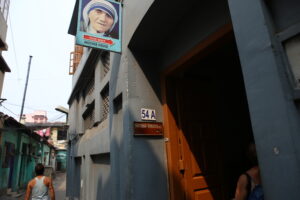 Visit Mother Teresa’s House (Missionaries of Charity), a place of humility and reflection where Mother Teresa lived and worked. The small museum here pays tribute to her extraordinary life of compassion and service. If time permits, continue to Kumartuli, the traditional potters’ quarter where skilled artisans craft clay idols, especially famous during Durga Puja—offering a unique insight into Kolkata’s artistic soul. At night visit New Market, a vibrant shopping district for handicrafts, textiles, and souvenirs. Overnight: Kolkata.
March 5: Kolkata – Bagdogra (air) – Darjeeling (road)
Transfer to Kolkata Airport to board your flight to Bagdogra, the gateway to the Eastern Himalayas. On arrival, you will be met by our representative and proceed on a scenic uphill drive to Darjeeling (4 hrs), winding through lush tea gardens, forested slopes, and mist-draped valleys. Standing high in the Himalayas at an altitude of 2,134 metres, Darjeeling, locally known as “Dorje Ling”—the Place of the Thunderbolt—offers breathtaking views of snow-capped peaks, with the majestic Mt. Kanchenjunga rising above them all. Popularly celebrated as the “Queen of the Hills,” the town will captivate you with its fern-filled valleys, tiny waterfalls, tea-scented air, and charming narrow-gauge railway winding through the hills. Surrounded by world-famous tea gardens and dramatic Himalayan landscapes, Darjeeling remains one of India’s most exotic and enduring hill destinations. Renowned author Graeme Westlake famously described it as having “a view scarcely unrivalled on Earth.” Discovered by the British in the 1840s for its cool climate, the region evolved into one of the world’s most renowned tea-producing areas. Today, its emerald tea gardens, views of Mt. Kanchenjunga, and the iconic Himalayan Toy Train define its timeless appeal, attracting nature lovers, photographers, trekkers, and cultural enthusiasts alike. Upon arrival, check in to your hotel and take time to relax in the crisp mountain air. Stretch your legs with a leisurely walk to Chowrasta Square, the vibrant heart of Darjeeling. Browse charming wooden shops built over a century ago during the colonial era, soak in the old-world atmosphere, and watch local life unfold against a Himalayan backdrop. Overnight: Darjeeling.
March 6: Darjeeling
A pre-breakfast excursion to Tiger Hill (2,590 metres) is the most celebrated viewpoint in Darjeeling. If weather permits, witness a magical sunrise as the first golden rays illuminate the snow-clad peaks of the Eastern Himalayas, with magnificent views of Mt. Kanchenjunga and, on exceptionally clear mornings, even Mount Everest in the distance. Return to the hotel for breakfast before embarking on a nostalgic journey aboard the Darjeeling Himalayan Railway, affectionately known as the Toy Train (subject to operation), a UNESCO World Heritage Site. Opened in 1881, this historic two-foot gauge railway winds gently through hill settlements, forests, and mountain roads. Once used to transport tea chests, wool, rice, and trade goods from Tibet, the slow-paced ride offers charming views and the romance of a bygone era. On arrival, visit the revered Ghoom Monastery, the oldest monastery in the region, originally built in the late 19th century. Here, admire the impressive 15-foot statue of the Maitreya (Future) Buddha, draped in silk, and experience the serene spiritual ambience. Visit the Himalayan Mountaineering Institute, established following Tenzing Norgay’s historic ascent of Mount Everest, showcasing mountaineering equipment, memorabilia, and the Everest Museum. The Padmaja Naidu Himalayan Zoological Park (closed on Thursdays) is home to rare Himalayan species such as the Snow Leopard, Tibetan Wolf, Yak, Himalayan Black Bear, and diverse birdlife. The Tibetan Refugee Self Help Centre (closed on Sundays) is where Tibetan refugees preserve their traditional crafts where artisans work creating carpets, leather goods, paintings, and woodcraft, offering meaningful insight into Tibetan culture and resilience. Overnight: Darjeeling.
March 7: Darjeeling – Gangtok (road)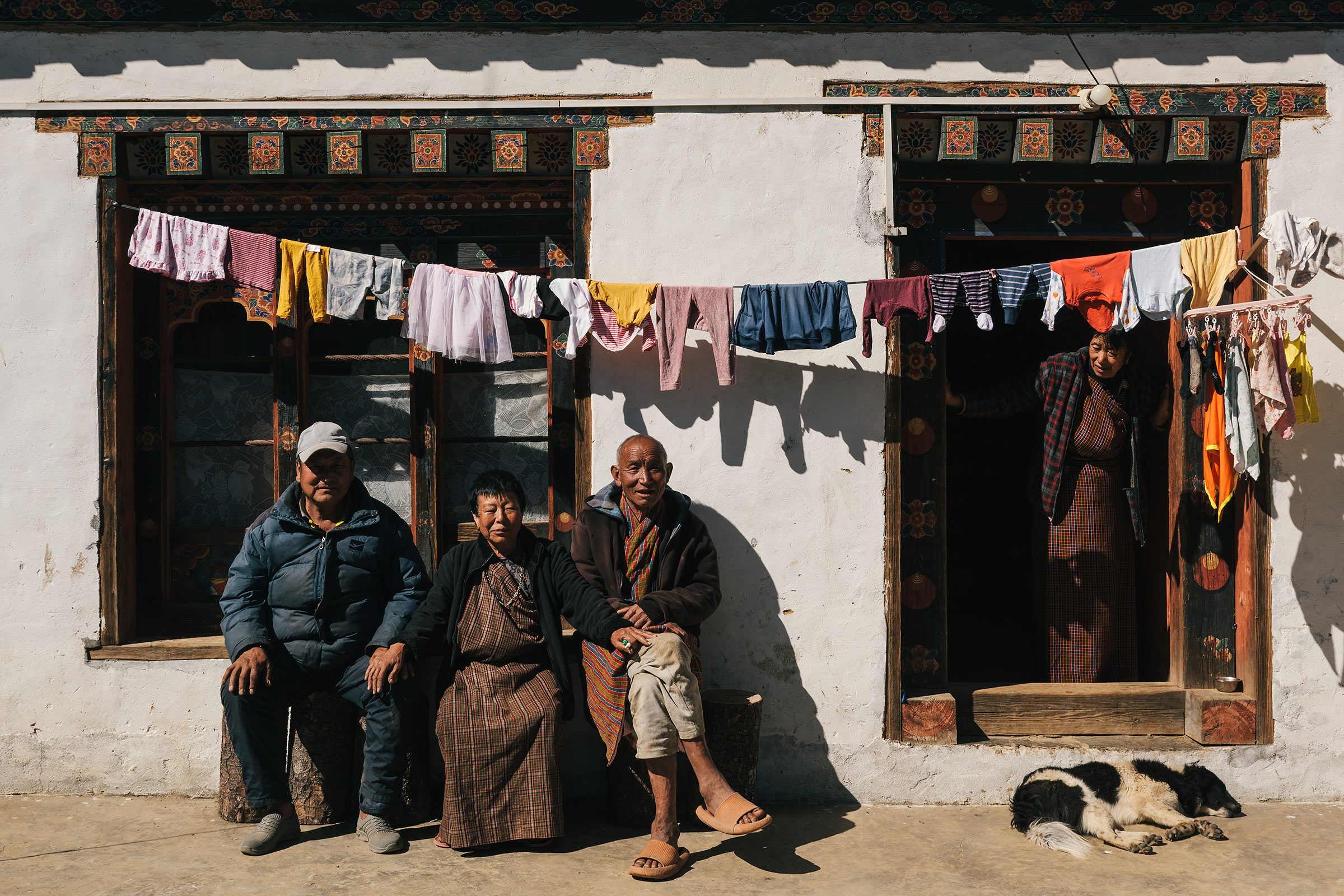
Depart by road for Gangtok (5 hrs), the vibrant capital of Sikkim, situated at an altitude of 1,750 metres. Once a small Himalayan hamlet, Gangtok rose to prominence in the mid-19th century and has since evolved into a dynamic city blending tradition with modernity. The town centre is marked by impressive government buildings adorned with Buddhist symbols, bustling markets, and panoramic viewpoints. Surrounded by monasteries, orchid-filled hillsides, and mountain scenery, Gangtok also serves as a major gateway for travellers heading to North Sikkim. Overnight: Gangtok.
March 8: Gangtok
Spend the day sightseeing of Gangtok, exploring its most important spiritual, cultural, and heritage landmarks. Visit the awe-inspiring Rumtek Monastery, also known as the Dharma Chakra Centre,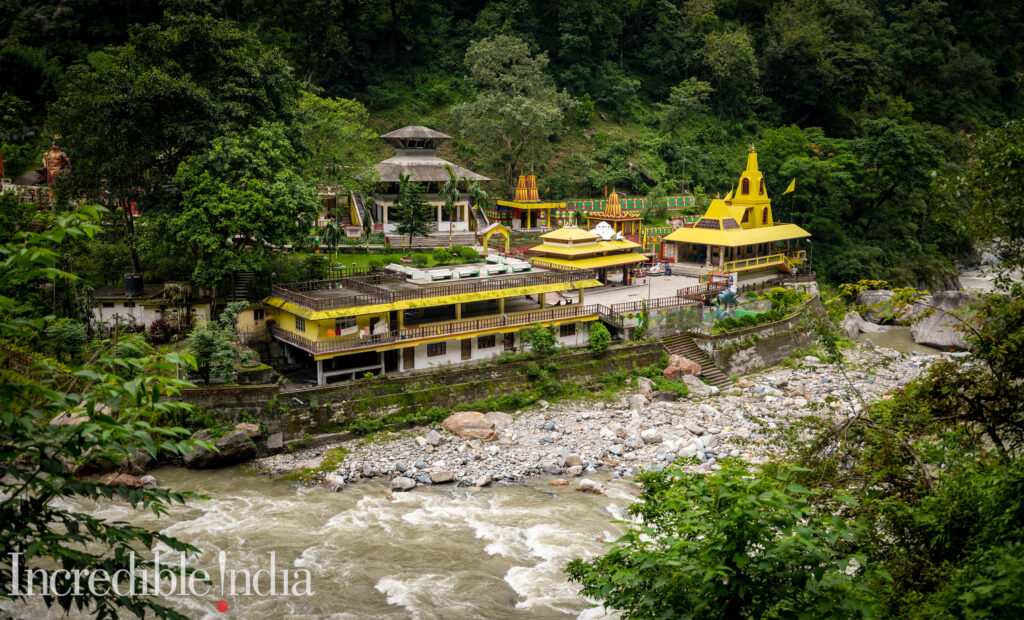 Rumtek is the seat of His Holiness the Gyalwa Karmapa, head of the Kagyupa order of Tibetan Buddhism. Behind the main monastery lies the richly adorned Karmae Nalanda Institute of Buddhist Studies, attracting scholars from around the world. The revered Golden Stupa, enshrining the sacred remains of the 16th Gyalwa Karmapa. Legend speaks of the mystical Black Hat, woven from strands of hair offered by celestial beings, which remains preserved at the monastery and is believed to possess extraordinary spiritual power. The sacred Do Drul Chorten built to commemorate the triumph of good over evil. The Jhang Chub Chorten, constructed in memory of Thrukshik Rinpoche, a revered Buddhist scholar and spiritual master. The complex is further adorned with towering statues of Lord Buddha and Guru Padmasambhava, also known as Guru Rinpoche, the patron saint of Sikkim. The Namgyal Institute of Tibetology, built in traditional Tibetan architectural style, is a world-renowned centre for research in Mahayana Buddhism, Tibetan language, and culture. It houses one of the largest collections of rare manuscripts, thangkas, and Buddhist texts in the world, along with a retail outlet offering books and authentic Tibetan art and crafts. The tranquil Enchey Monastery is perched on a ridge overlooking Gangtok town. Built in 1910 on the site of a hermitage belonging to the great tantric saint Lama Drutob Karpo—renowned for his powers of levitation—the monastery is surrounded by lush forest and offers sweeping views of the city below. It is an important centre of the Nyingmapa order of Tibetan Buddhism. Admire finely carved wooden friezes, intricate bamboo crafts, handwoven carpets, and textiles, and observe artisans at work, and purchase authentic handicrafts, including the popular Choktse at the Directorate of Handloom and Handicrafts. Overnight: Gangtok.
 March 9: Gangtok – Kalimpong (road)
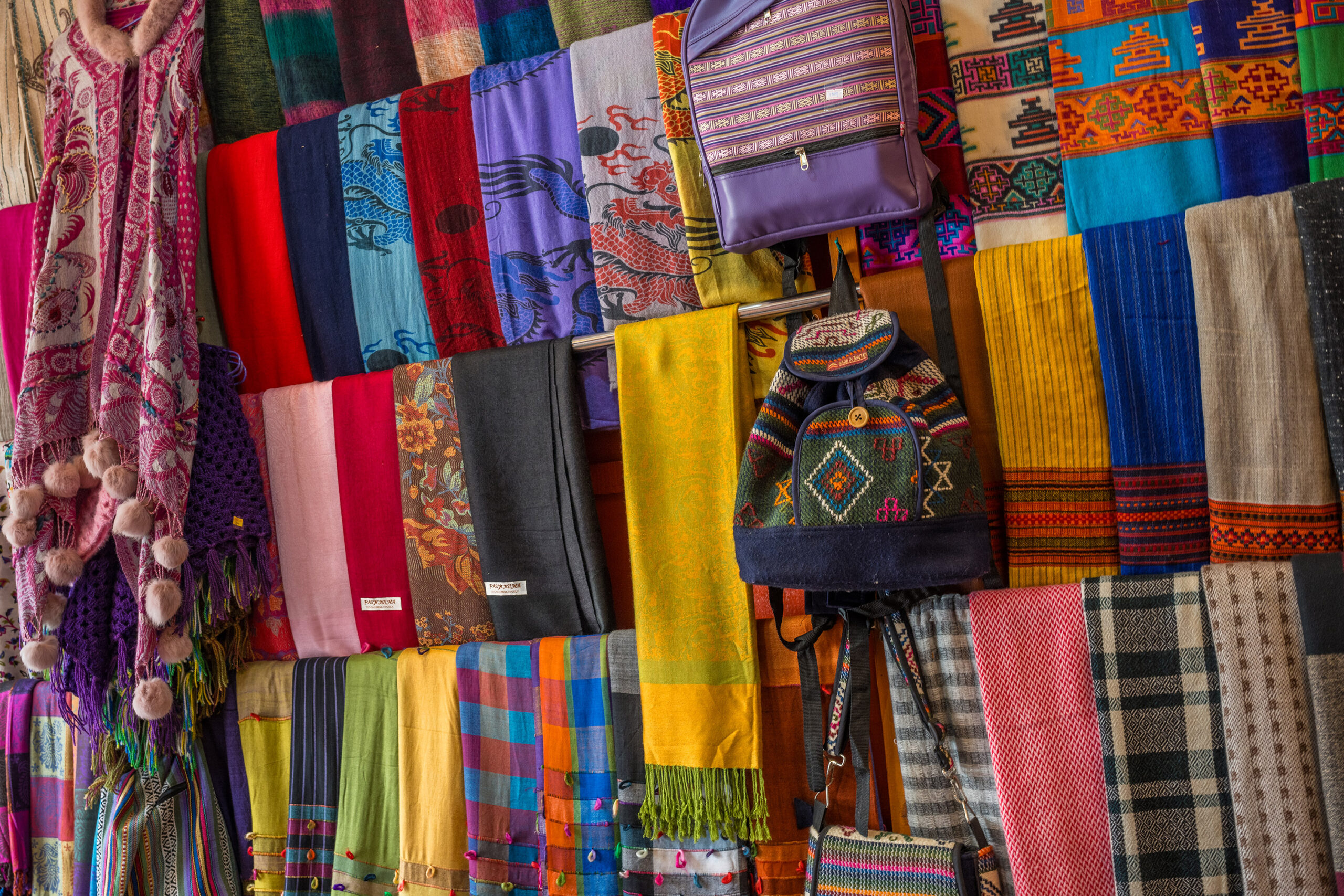
Depart by road for Kalimpong (3 hrs), enjoying a scenic drive through winding Himalayan roads, river valleys, and forested hills. Situated at an altitude of 1,250 metres, Kalimpong enjoys a mild and pleasant climate, making it an ideal destination for a relaxed mountain retreat. Known for its world-famous orchids and gladioli, the town has a fascinating past—once part of the Sikkim Raja’s domain, later ruled by Bhutan, and eventually annexed to Darjeeling following the Anglo-Bhutan War in 1865. Scottish missionaries arrived in the late 19th century, and Kalimpong flourished as a major wool trading centre with Tibet until the 1950s. Today, it is a peaceful hill resort, admired for its natural beauty, colonial charm, and unhurried pace of life. Visit Kalimpong’s renowned Flower Nurseries. Thanks to its favourable climate, the town is famous for cultivating and exporting exotic flowers such as amaryllis lilies, anthuriums, roses, gerberas, dahlias, gladioli, orchids, and cacti—an absolute delight for nature lovers. Zang Dog Palri Fo-Brang Monastery offers panoramic views of Kalimpong town and the surrounding valleys. The prayer hall is adorned with vibrant wall paintings, while the upper-level houses a rare and impressive three-dimensional mandala, making it a site of both spiritual and artistic significance. The Tharpa Choling Monastery belongs to the Yellow Hat sect of Tibetan Buddhism—the same order as His Holiness the Dalai Lama—the monastery exudes peace and simplicity amidst forested surroundings. Thongsa Gumpa is the oldest monastery in Kalimpong, originally built around 1692 and of Bhutanese origin. Overnight: Kalimpong.
March 10: Kalimpong – Phuentsholing (road)
Depart by road for Phuentsholing (5 ½ hrs), the gateway town to the Kingdom of Bhutan. The scenic drive takes you through changing landscapes—from forested Himalayan foothills to subtropical plains—offering a gentle transition into a new cultural realm. Upon arrival at the Indo–Bhutan border, you will be met by our Bhutan representative, who will take over arrangements from your Indian guide. Cross the border on foot and complete immigration formalities to formally enter Bhutan, and proceed to your hotel in Phuentsholing. Rest of the day is at leisure, for you to relax or explore the town at your own pace, absorbing your first impressions of Bhutanese life, architecture, and culture. Phuentsholing is a small yet vibrant modern town in southern Bhutan that serves as the country’s main commercial hub. It presents a fascinating blend of Bhutanese and Indian cultures, where languages, traditions, attire, and daily life from both countries are seamlessly interwoven, lying along the banks of the Amo Chu (river), a popular spot for local fishermen and a peaceful natural feature framing the town. Overnight: Phuentsholing.
March 11: Phuentsholing – Thimphu (road)
Depart by road for Thimphu (5 ½ hrs), the capital and cultural heart of Bhutan. The drive is exceptionally scenic, winding through lush valleys, forested hills, and river landscapes, offering numerous picturesque views along the way. En route, stop at the serene Kharbandi Gompa, a beautiful monastery set amidst gardens of tropical plants and flowering shrubs. The monastery houses exquisite wall paintings depicting scenes from the life of Buddha, along with statues of Shabdrung Ngawang Namgyal and Guru Rinpoche (Guru Padmasambhava). From the monastery garden, enjoy sweeping views of Phuentsholing town and the plains of West Bengal, stretching out toward distant tea gardens. Continue your journey onward to Thimphu. Situated at an altitude of 2,320 metres, Thimphu is Bhutan’s political, religious, and commercial centre. Home to a population of around 130,000, it is a unique capital city where modern development coexists harmoniously with ancient traditions—and notably, it remains one of the world’s few capitals without a single traffic light. The iconic National Memorial Chorten is a striking white structure crowned with a golden spire. This revered monument is a focal point of daily spiritual life. Locals gather here to circumambulate the chorten, spin large prayer wheels, and offer prayers, creating a deeply atmospheric and authentic experience. Inside, intricate paintings and statues provide meaningful insight into Buddhist philosophy. Either enjoy an exploratory walk through Thimphu’s main street and market area, soaking in the town’s relaxed rhythm and local charm, or visit the vibrant Centenary Farmers Market, the largest market in Bhutan, where farmers from across the country gather to sell fresh produce, spices, and local goods. With its colourful stalls, handicrafts, and lively ambience, it is a favourite spot for both locals and visitors. Overnight: Thimphu.
March 12: Thimphu
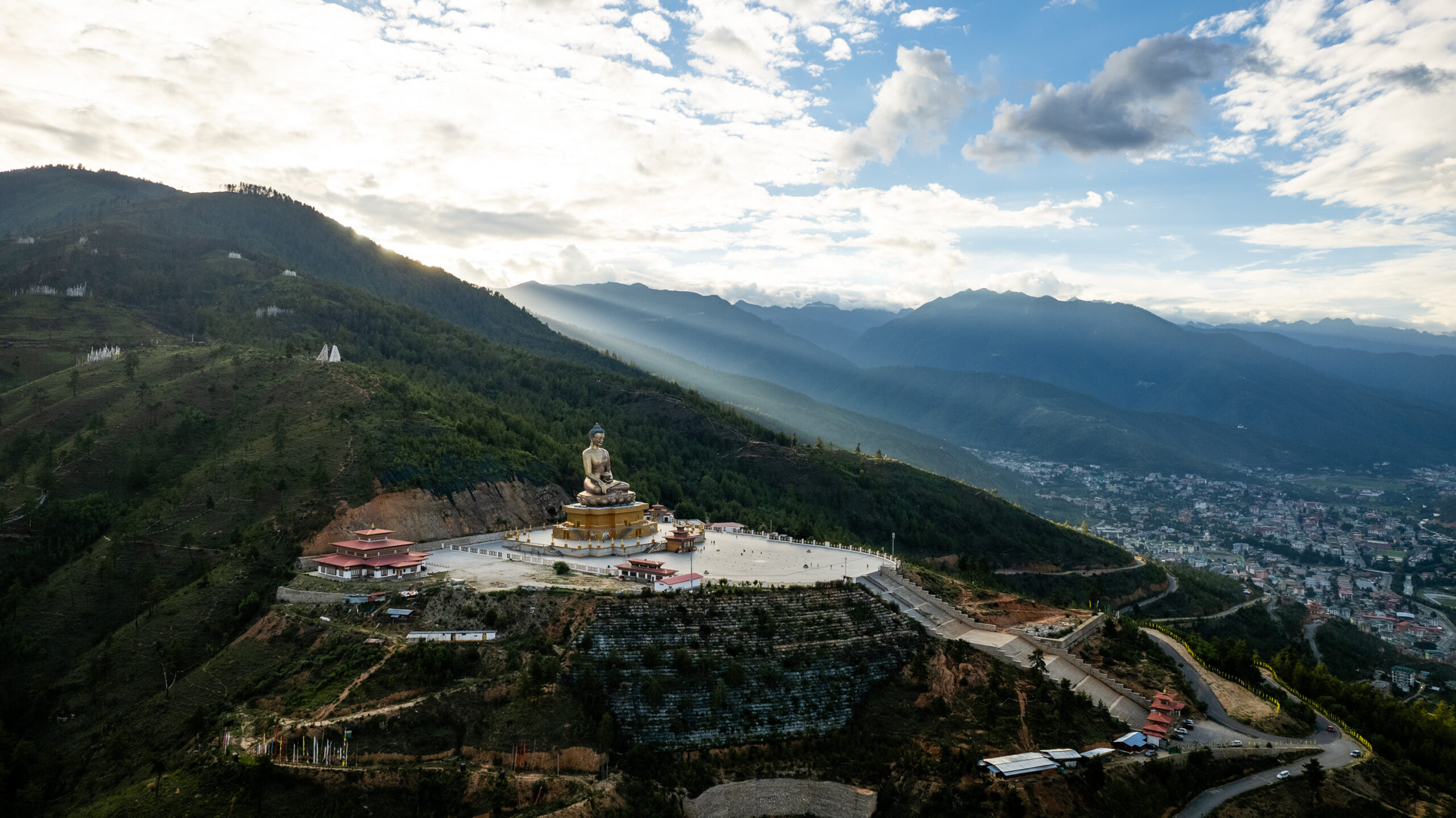
Begin your day with a short drive to the majestic Buddha Dordenma, dramatically set atop a hill within Kuenselphodrang Nature Park. Fulfilling an ancient 8th-century prophecy revealed by the revered treasure discoverer Tertön Pema Lingpa, this monumental statue is believed to radiate peace and happiness across the world. The awe-inspiring 51.5-metre bronze statue of Shakyamuni Buddha, gilded in gold, is among the largest of its kind. Inside, it houses 125,000 smaller gilded Buddha statues, creating a deeply spiritual and visually stunning experience. 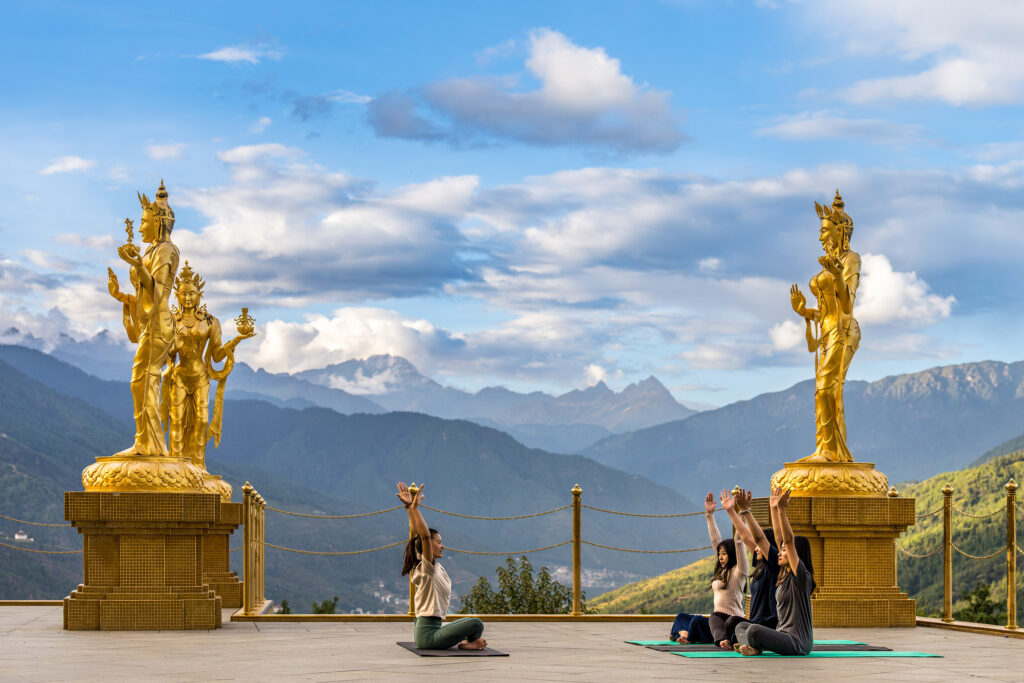 The Bhutan Postal Museum showcases Bhutan’s unique and innovative approach to postal services which traces the evolution of communication in the kingdom and displays an exceptional collection of rare and distinctive Bhutanese stamps. Visit the adjacent post office to create your own personalised postage stamps and browse charming souvenirs—a truly memorable keepsake. Visit the Textile Museum, established under the patronage of Her Majesty Queen Ashi Sangay Choden, which celebrates Bhutanese textiles as one of the country’s most important and visible art forms. Exhibits are presented across six major themes, including warp and weft pattern weaves, the role of textiles in religion, indigenous fibres, master craftsmanship, and the Royal Textile Collection—offering rich insight into Bhutan’s cultural identity. Gain a deeper appreciation of Bhutan’s artistic heritage at the National Institute for Zorig Chusum, commonly known as the Arts & Crafts or Painting School, this prestigious institute preserves Bhutan’s thirteen traditional arts and crafts. Observe students practicing age-old techniques passed down through generations. The Folk Heritage Museum is dedicated to preserving Bhutan’s rural traditions through exhibits, demonstrations, and documentation. The museum offers a meaningful connection to traditional Bhutanese village life, architecture, and customs. Visit the imposing Trashichhoedzong, meaning “Fortress of the Glorious Religion.” This architectural masterpiece serves as the seat of Bhutan’s government and monastic body, housing the King’s throne room and the office of the Je Khenpo (Chief Abbot). Originally built in 1641 by Zhabdrung Ngawang Namgyal, the dzong exemplifies traditional Bhutanese architecture—constructed without nails or formal architectural plans. Stroll, shop, or simply enjoy the relaxed rhythm of Bhutan’s capital. Enjoy a Bhutanese cookery demonstration followed by a traditional dinner, offering a delicious insight into Bhutan’s culinary heritage. Overnight: Thimphu.
March 13: Thimphu – Punakha (road)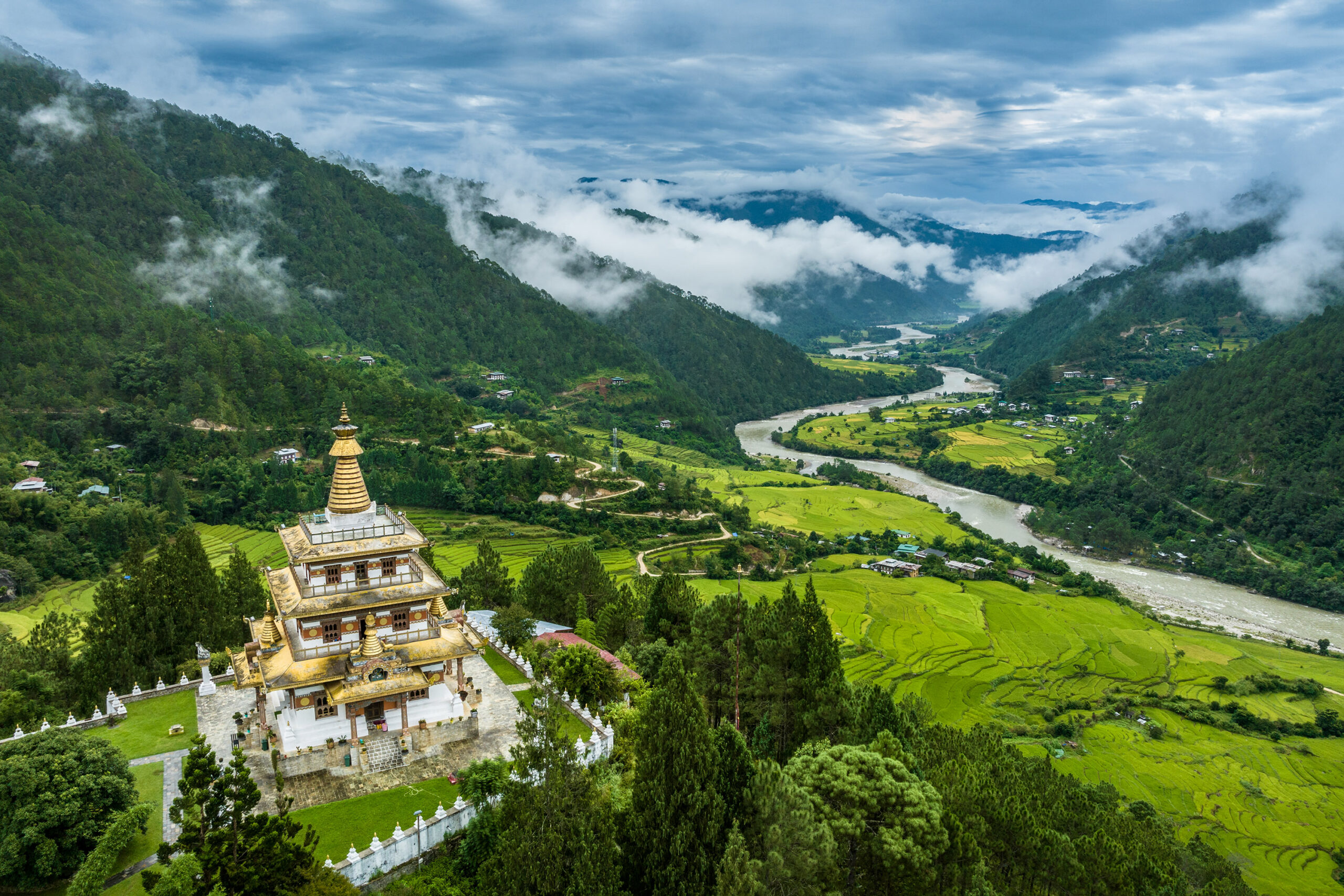
Embark on a scenic drive to Dochula Pass, situated at an elevation of 3,088 metres. Absorb the magnificent surroundings and admire the chortens, mani wall, and prayer flags that beautifully adorn this high-altitude vantage point. On clear days, the pass offers breathtaking panoramic views of the Himalayan range, featuring— from left to right—Masagang (7,158 m), Tsendagang (6,960 m), Terigang (7,060 m), Jejegangphugang (7,158 m), Kangphugang (7,170 m), Zongphugang (7,060 m), resembling a table mountain overlooking the remote Lunana region, and finally Gangkar Puensum, Bhutan’s highest peak, rising to 7,570 metres. At Dochula Pass, visit the iconic Druk Wangyal Chortens, a collection of 108 memorial chortens commissioned by Her Majesty Ashi Dorji Wangmo Wangchuck, the eldest Queen Mother. These chortens are arranged across three tiers—forty-five on the lower level, thirty-six on the middle tier, and twenty-seven on the upper tier—gracefully encircling the central main chorten and symbolising peace, spirituality, and national pride. Continue onward to Punakha (total 2 ½ hrs), 1,300 metres, once the capital of Bhutan and the seat of government until 1955. Today, Punakha remains the winter residence of the Je Khenpo, the Chief Abbot of Bhutan. Set within a pleasant temperate climate and nourished by the Pho Chhu (male) and Mo Chhu (female) rivers, the fertile Punakha Valley is known for its abundant agricultural produce and fruit orchards. Explore the majestic Punakha Dzong, also known as the Palace of Great Happiness. 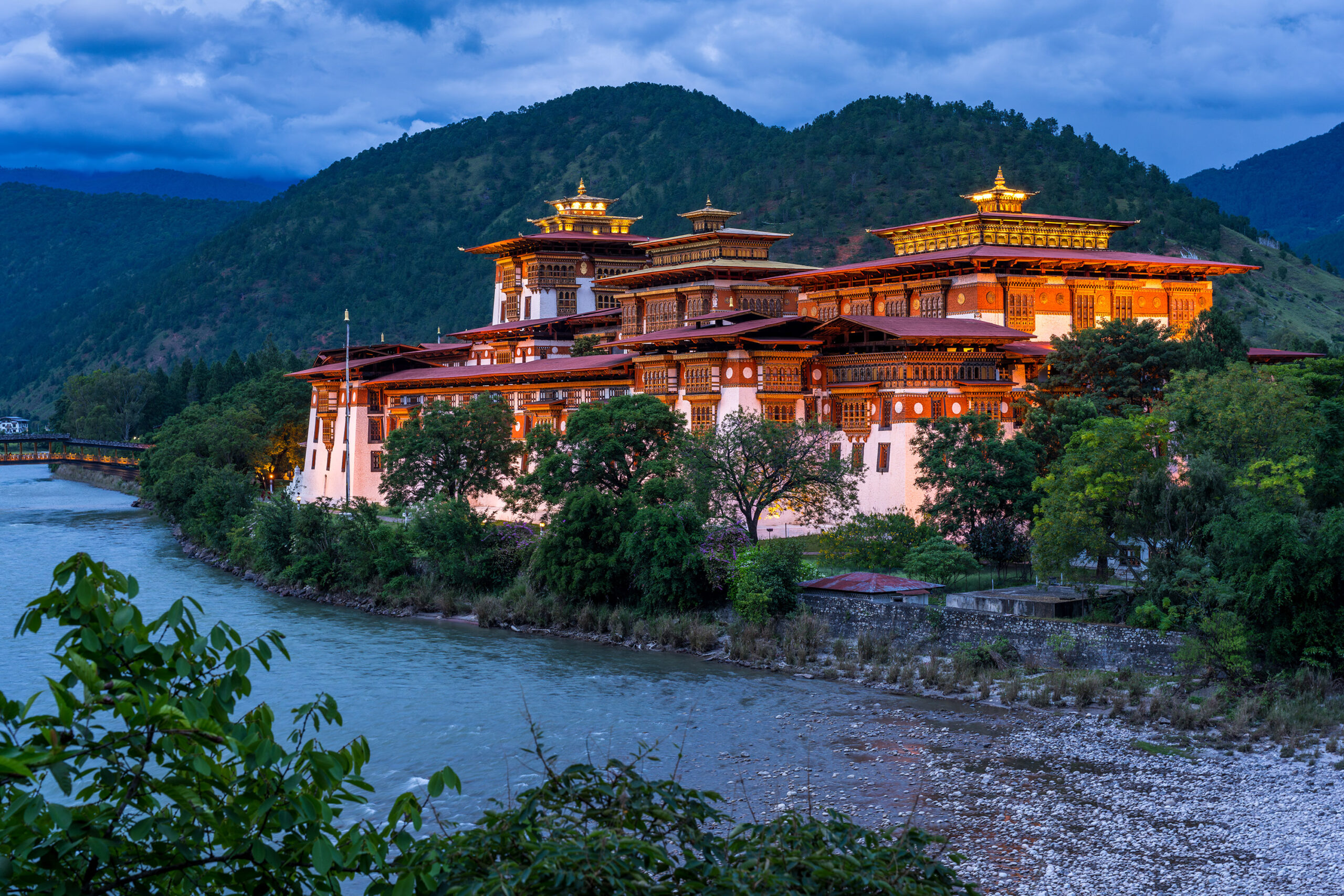 Built in 1637 by Zhabdrung Ngawang Namgyal at the confluence of the Pho Chhu and Mo Chhu rivers, this imposing fortress-monastery once served as Bhutan’s religious and administrative centre. Spanning approximately 600 by 240 feet, it features a striking six-storey tower crowned with a gilded dome. Inside, the beautifully designed courtyards and sacred sculptures reveal centuries of Bhutanese history and deeply rooted spiritual traditions, brought to life through the insights of your knowledgeable guide. Enjoy a short excursion to Chimi Lhakhang, popularly known as the Temple of Fertility. Perched atop a small hill in the heart of the valley, this revered site is believed to bless couples seeking children. The gentle walk to the temple winds through lush rice fields and the charming village of Pana—meaning “field”—offering a rare glimpse into the daily lives and traditions of the local community. stay at your hotel in Punakha, Overnight: Punakha.
March 14: Punakha
Embark on a scenic hike leading to the majestic Khamsum Yuelley Namgel Chorten (approx. 2-hour round trip nature walk). This remarkable structure was erected with the intention of dispelling negative energies and fostering peace, stability, and harmony in a world marked by constant change. The chorten stands as a commanding presence in the upper Punakha Valley, offering breathtaking panoramas that sweep over the Mo Chhu River and extend towards the towering peaks of Gasa and the surrounding landscape. At the end of trail, stroll across the Punakha Suspension Bridge, gracefully suspended over the rushing waters of the Mo Chhu River. A marvel of engineering, this bridge provides a thrilling experience for visitors. Spanning approximately 160 meters, it ranks among Bhutan’s longest suspension bridges, offering a unique perspective of the picturesque Punakha Valley. With prayer flags fluttering in the wind and the river’s roar below, crossing this bridge provides an exhilarating blend of natural beauty and cultural significance. Transfer to Gatshothang Farmhouse (Punakha) where you will meet Aum Karma Yangchen – the owner of this standalone farmhouse. A suspension bridge connecting the farm to the main road was only built in 2008 to make it more accessible to visitors. The entire property covers more than 21 acres, and includes cowsheds, corn fields, various vegetable gardens, and a stone bath shed. You will get the opportunity to experience farm life and help with chores such as milking cows and making fresh butter and cheese. Aum Karma is also an award-winning designer and traditional Bhutanese textile dye expert. She is the only Bhutanese person to win a Seal of Excellence in 2010 for her handcrafted products, and runs natural dyeing training workshops across Bhutan. Her biggest honor was being asked to design the Royal Gho for His Majesty the King of Bhutan’s Coronation in 2008. Aum Karma will teach you about traditional dyeing in a hands-on workshop using organic plants and minerals. You’ll have opportunity to experience Archery (Bhutan’s national sport) at the farmhouse. Visit the historic Wangduephodrang Dzong, founded in 1638 by Zhabdrung Ngawang Namgyal. Dramatically perched atop a high ridge between the Punak Tsang Chhu and Dang Chhu rivers, the dzong commands sweeping views of the surrounding valley. Overnight: Punakha.
March 15: Punakha – Paro (road)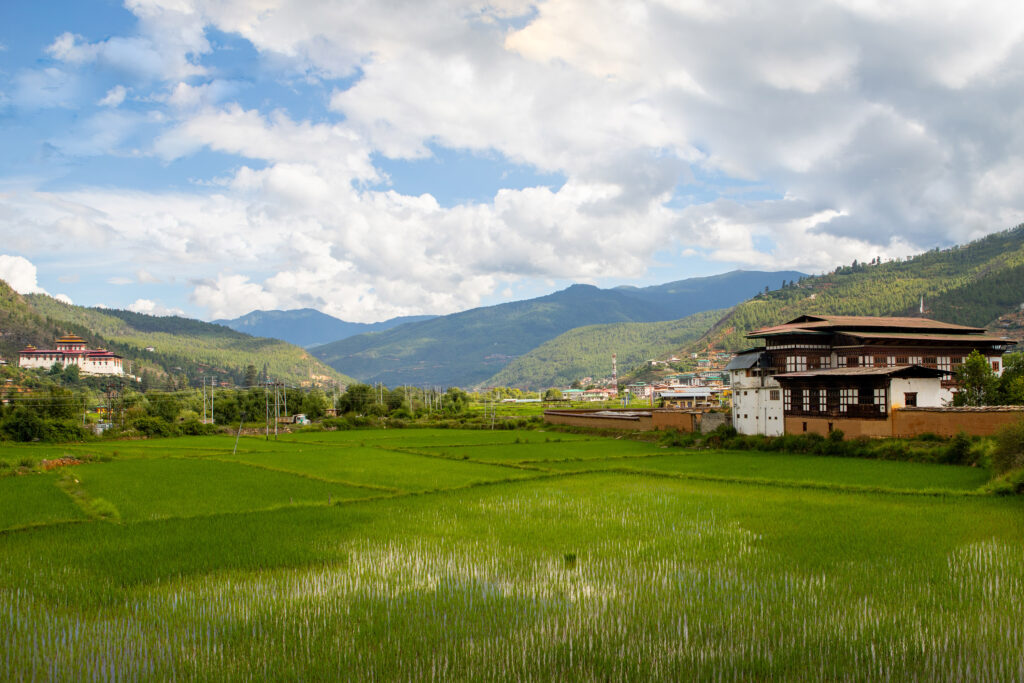
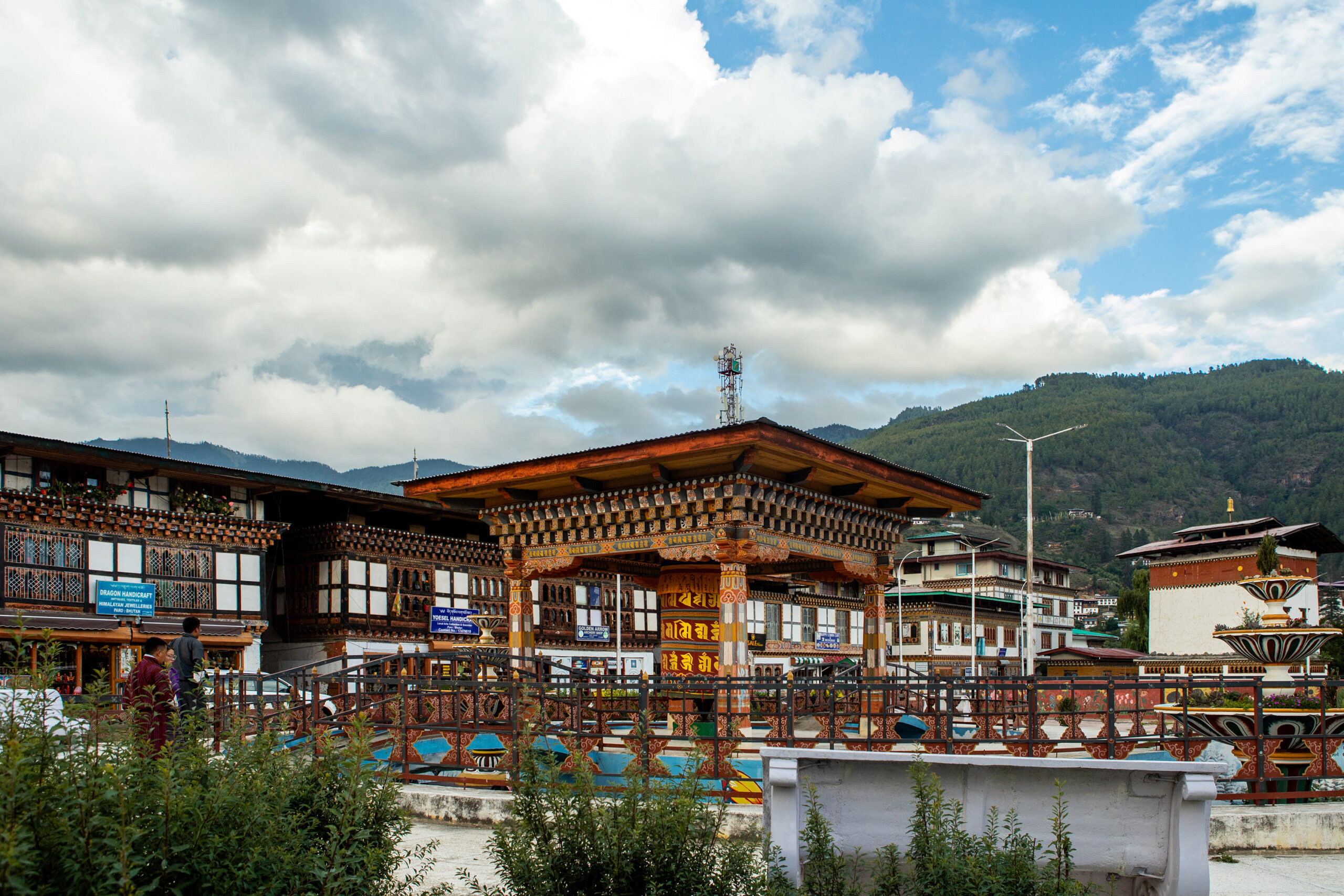
Drive along a scenic mountain highway to Paro (total 4 hrs), passing through picturesque valleys and forested landscapes. En route, visit the historic Simtokha Dzong, a beautifully proportioned fortress built in 1629 by Zhabdrung Ngawang Namgyal. Officially known as Sangak Zabdhon Phodrang (Palace of the Profound Meaning of Secret Mantras), Simtokha is widely regarded as Bhutan’s first dzong and is the oldest surviving dzong in its complete form. Modelled on the Gyal Gyad Tshel Institute of Ralung in Tibet, it stands as a remarkable example of early Bhutanese architecture and spiritual heritage. Paro, nestled amidst fertile fields and dramatic mountain scenery, Paro Valley is one of Bhutan’s most beautiful and culturally rich regions. It is home to some of the kingdom’s oldest temples and monasteries, the National Museum, and Bhutan’s only international airport. Towering at the northern end of the valley is Mount Chomolhari (7,314 metres), whose glacial waters carve deep gorges to form the Paro Chhu River. The valley is also renowned for its terraced fields producing Bhutan’s famous red rice. Visit Ta Dzong, originally built as a watchtower and now housing Bhutan’s National Museum. The museum’s extensive collection includes antique thangka paintings, traditional textiles, weapons and armour, household artefacts, and a rich array of natural and historical exhibits. From Ta Dzong, enjoy a gentle downhill walk to Rinpung Dzong, meaning “Fortress of the Heap of Jewels.” This impressive dzong boasts a long and fascinating history, with beautifully painted wooden galleries illustrating Buddhist teachings, including the Wheel of Life, Mount Sumeru, cosmic mandalas, and scenes from the life of Milarepa. Overnight: Paro.
March 16: Paro
Embark on a memorable excursion to Taktsang Monastery, popularly known as Tiger’s Nest. The visit involves an approximately 5-hour round-trip hike, ascending to a monastery dramatically perched on a sheer cliff face, about 900 metres above the Paro Valley floor. According to legend, Guru Rinpoche flew to this sacred site on the back of a tigress and meditated here, giving the monastery its evocative name. One of the most sanctified sites in Bhutan, Tiger’s Nest was visited by Zhabdrung Ngawang Namgyal in 1646 and remains a pilgrimage destination that every Bhutanese aspires to visit at least once in their lifetime. 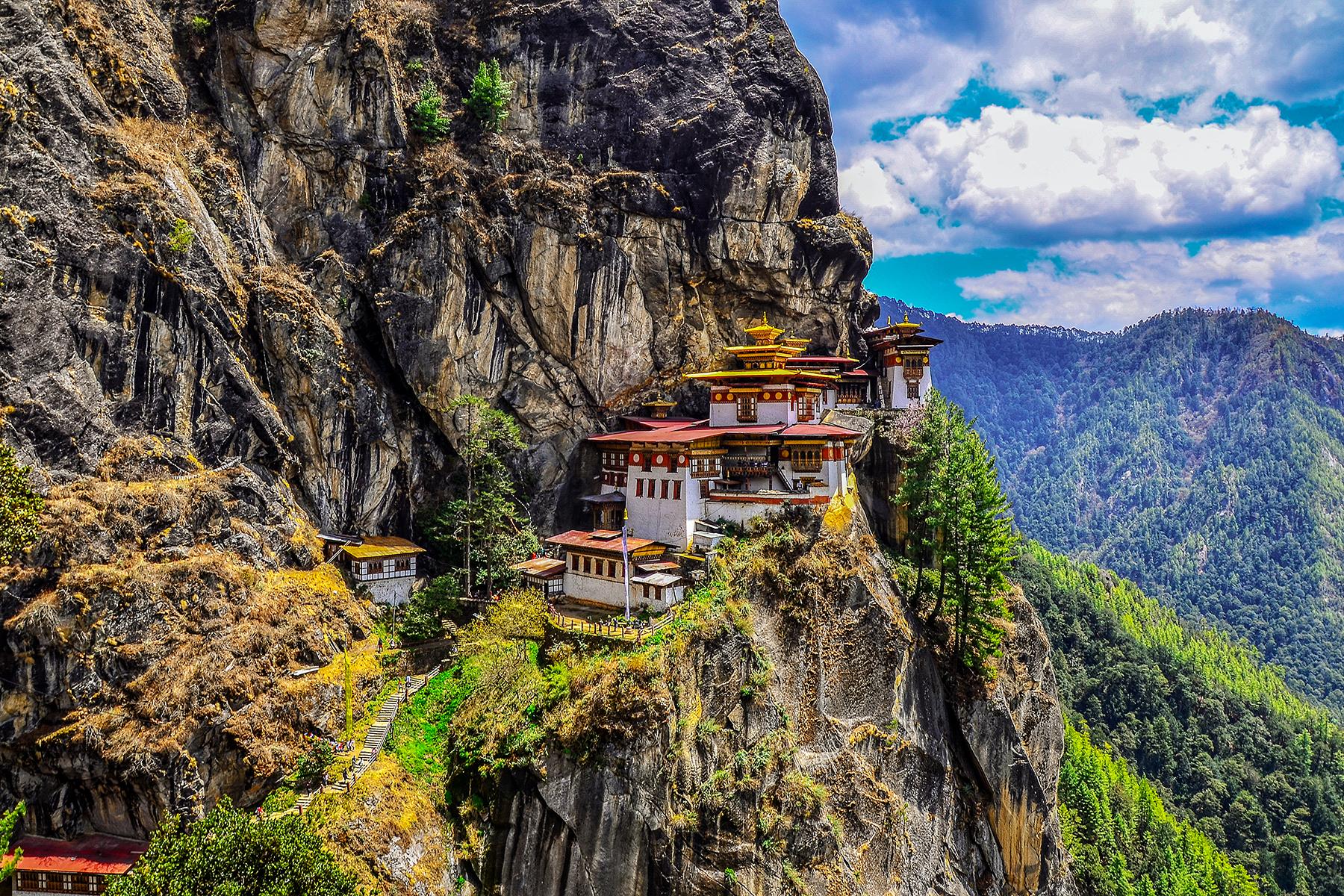 The setting, spirituality, and views make this experience truly unforgettable. Drive to the far end of the valley to visit the newly restored Drukgyel Dzong, built in 1646 by Zhabdrung Ngawang Namgyal to commemorate Bhutan’s victory over Tibetan invaders. The name Drukgyel literally means “Victorious Druk., featured in National Geographic in 1914. On clear days, enjoy commanding views of Mount Chomolhari from the village below. On your return, stop at the revered Kyichu Lhakhang, one of the 108 temples built across the Himalayas by the Tibetan King Songtsen Gampo. Dating back to the 7th century, this sacred temple marks the introduction of Buddhism into Bhutan and remains one of the country’s most spiritually significant sites. Participate in a traditional Blessing and Butter Lamp offering. After returning from the hike experience a traditional Hot Stone Bath—a deeply relaxing Bhutanese wellness ritual (subject to availability). Overnight: Paro.
March 17: Paro – Kolkata (air) – Departure
Transfer to Paro International Airport for your onward flight to Kolkatta, bidding farewell to the Kingdom of Bhutan with memories of its majestic landscapes, deep spirituality, and timeless traditions.
* * * End of Services offered by Spiritual Journeys, LLC * * *
All photographs with permission from Le Passage to India.
COSTS: US $ 8,915.00 per person 2-people sharing one twin share room or US$ 11,495.00 per person in a single room, with minimum of fifteen paying guests all arriving, traveling and departing together. Payment can be made here.
In ADDITION to above Tour Cost, are visa fees for India (arranged by you) and visa fees for Bhutan arranged by us. Current cost of Bhutan visa is US$ 40.00 per person. In ADDITION there is a Sustainable Development Fee (SDF) for Bhutan, which is US$ 100.00 per person per day (subject to revision). Thus total fees for Bhutan Visa for this visit will be US$ 740.00 per person in ADDITION to the Tour Cost. This fee needs to be paid to us in advance, we will remit it to the Government of Bhutan on your behalf, and arrange your visa. Once we receive this fee, it is NOT refundable. We will require (a) a color scanned copy of your passport, and, (b) a scanned copy of your passport style photograph portrait style with eyes open and forehead & ears clearly visible, white background without border, minimum of 30 days prior to your arrival.
Extraordinary Cancellation Policy
We assure our guests that should there be an extraordinary situation such as a war directly involving India or a pandemic situation (e.g., lockdown/shutdown) where your personal safety is at risk, and you decide to cancel the tour, we offer the following Extraordinary Cancellation Policy:
Deposits: We will return 100% of all deposits paid till the time your final payment is due.
Final Payment: (When you submit your final payment, we submit this to our associate company in India, who in turn submit their non-refundable payments to all hotels and other service providers).
Written cancellations received by SJI 31 or more days from Day 1 of Tour: 100% will be returned.
Written cancellations received by SJI 30 or fewer dates from Day 1 of Tour: 75% will be returned less cancellation charges for air and train tickets where standard cancellation charges will apply.
It is advisable for our guests to get Travel Insurance coverage against such conditions.
HOTELS ENVISAGED, or Similar:
City | Nights | Hotel | Review |
Kolkatta | 2 | Taj Bengal, Deluxe | |
Darjeeling | 2 | The Elgin , Deluxe | |
Gangtok | 2 | Elgin Norkhill , Deluxe | |
Kalimpong | 1 | Elgin Silver Oaks , Deluxe | |
Phuentsholing | 1 | Laughing Lama Standard | |
Thimphu | 2 | Le Meridien, Classic | |
Punakha | 2 | Dhensa Boutique Resort , Suite | TripAdvisor |
Paro | 2 | Dawa at Hilltop by Heeton, Deluxe Nature View |
IMPORTANT:
- For confirmation to these hotels, we need full payment by Friday 4 December 2026. We do NOT guarantee accommodation in these hotels if funds are received on or after Saturday 5 December 2026.
- Hotels mentioned above only indicate that our rates have been based on usage of these hotels and it is not to be construed that accommodation is confirmed at these hotels until and unless we convey such confirmation to you. In the event of accommodation not becoming available at any of the above mentioned hotels we shall book alternate accommodation at a similar or next best available hotel and shall pass on the difference of rates (supplement/reduction) to you.
- Offer is based on usage of base category rooms at mentioned hotels (unless specified otherwise). If this category of rooms is not available we shall try to confirm accommodation in next available higher category, and shall advise supplementary cost involved.
COST INCLUDES:
- Hotel accommodation as above on double/twin-sharing room,
- All meals: Breakfast, lunch and dinner everyday,
- Domestic flights for sectors: Kolkata – Bagdogra and Paro -Kolkata (economy class),
- English speaking accompanying guide for sightseeing in all places as per program,
- Spanish speaking accompanying translator for sightseeing in all places as per program,
- All applicable taxes including mandatory government service tax,
- Entrances fee for entry into monuments as per the itinerary,
- All transfers and sightseeing/excursion in air-conditioned vehicles,
- The services of a SJI representative at all airport and hotel transfers,
COST DOES NOT INCLUDE:
- Beverages, mineral water, alcohol, laundry, telephone calls; or other items of personal nature,
- Any tips and gratuities,
- Increases in Airfares or Government imposed taxes or entrance fees,
- Still camera or video camera fees at the various monuments and museums,
- Services not specifically stated in the itinerary,
- Personal or travel insurance, departure Taxes or Visa Handling Fees,
- Any changes you may choose to make during your tour,
- International Air (not listed here),
- Visa fee for Bhutan and India. (Visas ARE required. You arrange visa for India, we will arrange visa for Bhutan,
- Travel & health insurance (which is recommended),
- Airport taxes and fuel surcharges, which are subject to change without notice.
- Drinks, tips, expenses of personal nature, and,
- Anything not mentioned in the “Cost Includes” column.
NOTES:
- Check-in and check-out times for all hotels is at 12 Noon.
- Visas are required for travel to Bhutan and India.
- All rates are valid till 17 March 2027.
- The detail program are subject to change without prior notice.
- Air & train fare/schedule is subject to change without notice. If in case because of the change in schedule if there is a deviation in the original itinerary due to which there is change is cost, supplement will be charged accordingly.
AIRLINE BAGGAGE POLICY:
Current airline baggage policy allows one hand bag and check-in baggage limited to 15 Kgs in Economy class. Excess baggage will be chargeable at INR 250 (or US$ 5 per Kg) per sector (Subject to revision).
GENERAL:
- Vouchers will be given to you on arrival to your country of arrival by your SJI representative. SJI will present you with a detailed itinerary and confirmation of all arrangements. As flight reservations and confirmations on the domestic carriers within specific countries are not within our control, we cannot guarantee the operation of these flights. We will do our best to ensure that passengers booked and ticketed by us travel as scheduled. If any of the domestic flights are canceled, the best alternate arrangements will be made.
- SJI gives notice that all tickets, vouchers and documents issued by them and all arrangements for hotels, transportation and special items are made by them upon the condition that they shall not be held liable to injury, delay, loss, damage or irregularities however caused.
- Entry Visas ARE required. SJI does not make any visa arrangements for your visa for India, however, SJI will arrange your visa for Bhutan.
DEPOSITS AND CANCELLATIONS:
- All services must be fully paid to Spiritual Journeys LLC, (SJI) by Friday 4 December 2026 by credit card, personal or company check.
- An initial payment of USD 1,000.00 per person is necessary in order to process reservations. This deposit will be non-refundable in case of cancellation, and will be adjustable to the final billing.
- The following cancellation charges, as a percentage of total price apply, subject to a minimum cancellation amount of $ 1,000.00:
- 60+ days before departure $ 1,000
- 21-59 days before departure 50 %
- 08-20 days before departure 75 %
- 0-07 days before departure 100 %
- Visa fees for Bhutan, once collected are NOT refundable.
- Once a tour begins, any refunds applicable due to unused air, hotel, or car rental components or changes in reservations sought by the tour participant will be issued at the sole discretion of Spiritual Journeys Inc. Airline tickets have restrictions calling for a change fee to be paid to the airline for alteration of departure and return dates.
RESPONSIBILITY:
SJI gives notice that it is acting in the capacity of agent in all matters regarding travel, whether by railroad, motor car, motor boat, boat or airplane, including all matters of reservations, transportation and tour operation, and assumes no liability for injury, damage, loss, delay or irregularities which may be caused either by reason of defect in any vehicle or through the act or default of any company or person engaged in conveying the passenger, or in carrying out the arrangements of the tour or otherwise. We can accept no responsibility for losses or additional expenses due to delay or changes in air or other services due to sickness, weather, strike, war, quarantine or other causes or acts of God. Although SJI anticipates no changes in the itineraries or accommodations, etc. the right is reserved to make any changes with or without notice that might become necessary in the best interest of the tour including the substitution of hotels booked if this becomes necessary. In such cases any additional expenses must be borne by the passenger. SJI reserves the right to decline / accept or retain any person as a member of the tour at any time.